 hamster-bot
ZigZag, ZZ
The core idea of the strategy is to catch a strong trend move as early as possible and hold the position for the duration of the trend. A trade opens the moment price breaks pre-built levels based on past price highs/lows.
It's based on logic similar to the ZigZag indicator:
● When the market starts turning up, a local low is recorded
● When it turns down — a local high
These points become reference levels. They form the levels the market has to break to confirm the move.
Reversal-based (flip long ↔ short)
A position is always open and flips from short to long. (Unless various strategy modifiers are used)
⚠️ The strategy generates losing trades when the market is ranging and during V-shaped reversals.
Working order type: Market Stop order (on some exchanges this may also be called Conditional or Trigger order)
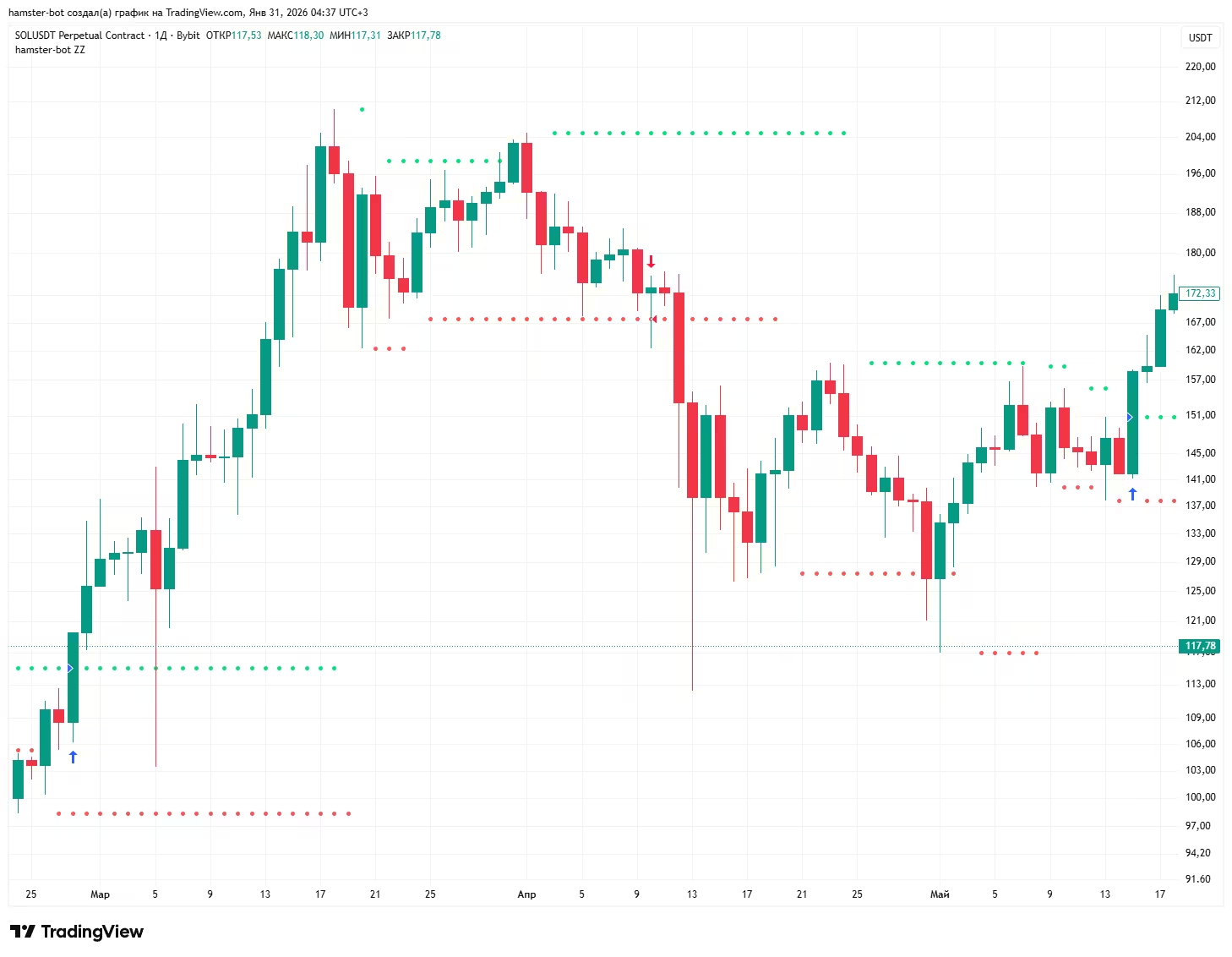
● Green marks where a conditional buy order is placed. Break of the last significant high.
● Red marks a sell. Price breaks the last low.
After the strategy starts, if there is no position and the price is between the levels, 1 order to open a long position and 1 for short will be placed. If the price is not between the levels, or there's an open position, only 1 order will be placed.
If a position is open, the strategy should have only 1 order. By default, the size of this order equals the position size * 2. To reverse the position (close and open a new one of the same size)
Backtest
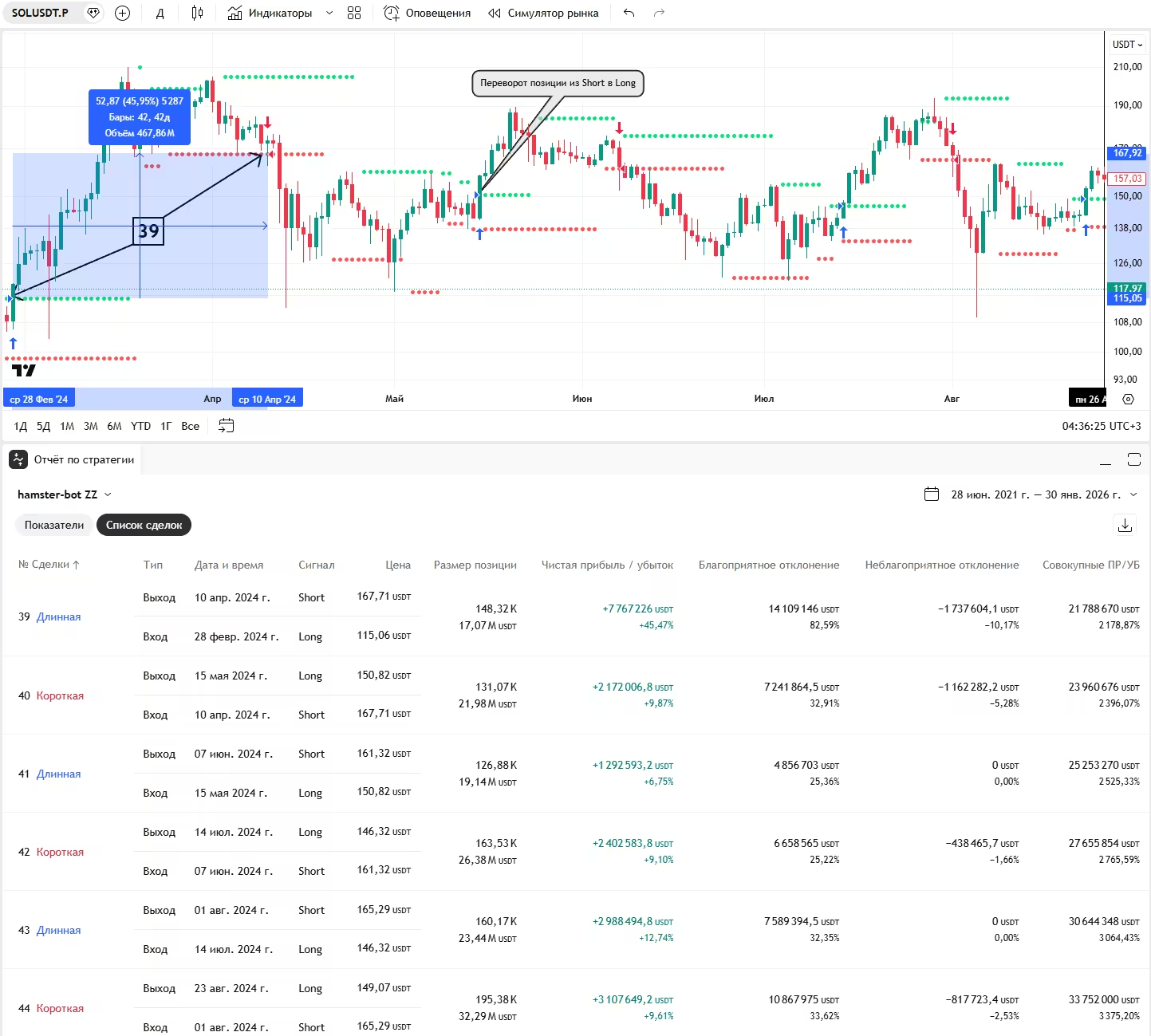
Test in the built-in backtester
A Pine Script for testing the strategy on historical data in the TradingView strategy tester:
Recommendations:
(not strict, and can be broken for research purposes)
Working timeframe from 4h and up.
For the curious
The algorithm for building the levels of the ZZ2 strategy. It uses a non-standard ZigZag indicator. You can see from the code how simple it is, and repainting is excluded. But the levels are built with a delay of a few candles (this doesn't get in the strategy's way at all)

Three sequentially smoothed EMAs are used. This creates strong smoothing, reducing noise.
The variable z records the reversal points. If the EMA turns up → the local low (l) is taken. If it turns down → the local high (h). These points (l and h) become the basis for building the levels.
Backtest the strategy on historical data in the tester and run it in hamster-bot.